Why Aluminum Foundry technologies are redefining product lifespan
Wiki Article
Why Warmth Therapy Matters: Enhancing the Strength of Aluminum Foundry Parts
Warmth treatment plays a crucial duty in the performance of aluminum foundry parts. It modifies the microstructure with precise home heating and air conditioning, bring about boosted mechanical properties. Strategies like option heat treatment and aging add to boosted strength and ductility. These innovations are crucial for applications popular sectors. Recognizing the nuances of warmth treatment can disclose the secret to attaining optimum performance in aluminum alloys. What factors influence these processes?The Essentials of Warmth Therapy in Aluminum Alloys
Warm therapy plays a necessary function in boosting the residential properties of aluminum alloys used in foundry parts. This process includes the application of regulated home heating and cooling down to change the microstructure of the product, which straight affects its mechanical buildings. By modifying the crystalline framework, warmth therapy can boost strength, deterioration, and ductility resistance.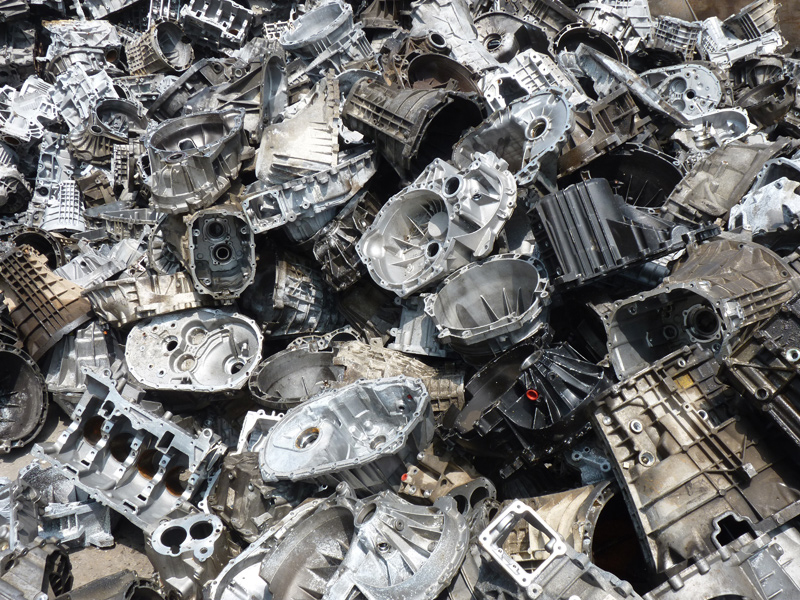
Understanding the essentials of warm therapy is crucial for suppliers intending to enhance the efficiency of aluminum components. By customizing these processes, they can achieve particular features essential for various applications, guaranteeing that the end product meets sector criteria and efficiency demands.
Sorts Of Heat Therapy Processes
The warmth therapy of aluminum foundry parts encompasses numerous processes that substantially influence their mechanical buildings. Amongst these, service heat treatment and aging processes are essential for boosting strength and toughness. Comprehending these strategies is crucial for enhancing the efficiency of aluminum alloys in numerous applications.Service Warm Treatment
Service warm treatment is a crucial procedure in the production of aluminum foundry elements, targeted at improving the product's toughness and rust resistance. This process entails home heating aluminum to a certain temperature level, commonly between 900 ° F and 1,000 ° F, adhered to by quick cooling, commonly called quenching. The home heating enables the dissolution of alloying elements right into a strong remedy, which is important for achieving desired mechanical residential or commercial properties. By getting rid of contaminations and advertising an uniform microstructure, service warmth treatment significantly improves the material's efficiency in different applications. The quenching step preserves the alloying elements in a supersaturated state, setting the phase for subsequent therapies. This approach is fundamental for maximizing the features of aluminum parts utilized popular settings.Aging Procedures Clarified
Adhering to solution warm therapy, maturing procedures play a necessary role in more enhancing the residential properties of aluminum foundry parts. Aging can be classified right into 2 primary kinds: all-natural aging and fabricated aging. All-natural aging happens at room temperature, allowing the alloy to age slowly in time, which can bring about better toughness and firmness. In comparison, artificial aging entails heating up the material to a certain temperature for a specified duration, speeding up the aging procedure and achieving wanted mechanical buildings much more rapidly. The moment and temperature level specifications throughout artificial aging are vital, as they influence microstructural changes that boost strength. Understanding these maturing processes is fundamental for enhancing the performance of aluminum components in different applications.The Effect of Warmth Treatment on Mechanical Residences
Warm treatment greatly affects the mechanical properties of aluminum alloys by improving their toughness and toughness. The process changes the microstructure, resulting in renovations in performance attributes. Additionally, the thermal cycle utilized throughout heat treatment plays an essential function in figuring out the final residential properties of the product.Strengthening Aluminum Alloys
As aluminum alloys go through warmth therapy, their mechanical residential properties can considerably boost, enhancing strength and toughness. This process usually entails remedy treatment, quenching, and aging, each playing a crucial duty in modifying the alloy's characteristics. During service treatment, alloying aspects dissolve, producing a homogeneous structure - Precision aluminum casting. Rapid quenching avoids premature precipitation, preserving the alloy's enhanced homes. Aging, whether natural or man-made, permits controlled precipitation of strengthening phases, further increasing solidity and tensile toughness. The resulting renovations in mechanical buildings make it possible for aluminum alloys to stand up to higher tons, resist contortion, and show remarkable tiredness resistance. Heat-treated aluminum alloys are essential in applications requiring high strength-to-weight ratios, such as aerospace, automotive, and architectural elements, where performance and integrity are vital.Microstructure Modification Results
When aluminum alloys go through heat therapy, the adjustments in their microstructure greatly influence their mechanical homes. Heat therapy processes such as annealing, solutionizing, and aging result in the dissolution of alloying components and the formation of precipitates. These adjustments enhance ductility, toughness, and strength. Throughout solutionizing, the uniform circulation of alloying components happens, which is essential for achieving ideal mechanical performance. Aging advertises the rainfall of fine bits that block misplacement movement, significantly raising yield strength. Furthermore, the improvement of grain structure during heat treatment adds to boosted mechanical homes by improving the alloy's resistance to contortion. Inevitably, the regulated microstructural adjustments accomplished through warm therapy enable aluminum foundry components to satisfy specific performance criteria in different applications.Thermal Cycle Value
The value of the thermal cycle in heat treatment can not be overstated, as it directly influences the mechanical residential properties of aluminum foundry parts. A well-optimized thermal cycle makes it possible for specific control over temperature level and time, helping with the desired phase changes within the metal matrix. This process enhances strength, ductility, and strength by promoting uniform microstructure and reducing residual stresses. By carefully readjusting the heating & cooling prices, makers can accomplish enhanced hardness and fatigue resistance, critical for high-performance applications. Additionally, the thermal cycle help in the dissolution of alloying components, making sure suitable distribution and enhancing overall product buildings. Understanding and implementing the appropriate thermal cycle is necessary for taking full advantage of the performance of aluminum parts in demanding settings.Warm Treatment and Its Duty in Tension Relief
Anxiety relief via heat therapy is an important process in the production of aluminum foundry components, making certain ideal efficiency and durability. This strategy efficiently lowers residual stress and anxieties that collect throughout casting and machining procedures. By subjecting components to controlled heating adhered to by cooling, warm therapy promotes the redistribution of inner stresses, which can cause dimensional instability and premature failure if left unaddressed.The procedure not just enhances the mechanical buildings of aluminum but likewise boosts its fatigue resistance, making it better for demanding applications. Certain temperature level ranges and soaking times are very carefully picked to achieve optimal stress and anxiety relief without jeopardizing the product's honesty.
Inevitably, understanding the function of warm therapy in stress and anxiety relief is vital for makers intending to generate high-quality aluminum components. By successfully handling recurring stress and anxieties, they can boost item reliability and extend the service life of their offerings in numerous commercial applications.
Tailoring Heat Treatment for Particular Applications
Tailoring warm treatment processes to particular applications needs a deep understanding of both the product buildings and the functional needs of the last item. Various aluminum alloys display varying actions to warm treatment, necessitating a customized approach for peak performance. For instance, parts based on high-stress atmospheres may take advantage of aging therapies that boost stamina and firmness, while those exposed to corrosive problems might need treatments that boost surface area stability and resistance.In addition, aspects such as cooling prices and temperature accounts can be adapted to accomplish desired mechanical buildings like ductility and tiredness resistance. By taking into consideration the meant usage of the component, designers can select proper heat therapy approaches-- such as service warmth treating, quenching, and aging-- to fulfill specific efficiency standards. This tailored technique not only Precision aluminum casting ensures that the parts function successfully under their desired conditions however additionally maximizes their durability and integrity sought after applications.
Quality Assurance in Warmth Treatment Processes
Ensuring the top quality of heat treatment procedures is crucial for achieving the preferred product properties and performance attributes in aluminum foundry parts. Strenuous quality control steps need to be applied throughout the heat treatment cycle to preserve uniformity and dependability. This consists of normal surveillance of temperature level, time, and atmosphere during processes such as annealing, aging, and quenching.Employing sophisticated methods, such as thermocouples and information loggers, permits for specific temperature level control and confirmation. Additionally, sampling and screening of products post-treatment can provide insights right into mechanical residential or commercial properties, such as tensile stamina and ductility.
Executing standardized operating procedures guarantees that all personnel stick to best practices, minimizing irregularity. Documents of each warmth therapy batch is vital for traceability, permitting identification and remediation of any kind of concerns. On the whole, a thorough quality assurance program is essential for maximizing the efficiency and durability of aluminum foundry components.
Future Trends in Aluminum Warmth Treatment Techniques
The future of aluminum heat therapy methods is poised for substantial innovations, driven by advancements in innovation and increasing needs for improved material efficiency. Arising methods such as additive production and advanced robotics are expected to change warm treatment procedures, enabling extra exact control and customization. The assimilation of expert system and equipment knowing will allow predictive analytics, enhancing heat therapy cycles for efficiency and performance.Additionally, innovations in furnace modern technology, including energy-efficient layouts, will minimize carbon footprints while preserving high-quality outcome. The growth of alternative heat resources, such as induction heating, provides much faster and much more consistent home heating, additional boosting mechanical residential or commercial properties.
Continuous study right into novel alloy structures and warm therapy mixes promises to expose brand-new performance capabilities, catering to markets such as aerospace and auto. Jointly, these trends will certainly boost the versatility and application of aluminum elements, fulfilling future industrial needs.
Frequently Asked Concerns
Exactly How Does Heat Treatment Influence the Cost of Aluminum Elements?
Heat treatment can boost the price of aluminum elements due to the added energy, equipment, and labor needed. However, the resulting enhanced stamina and efficiency might justify the preliminary financial investment for several applications.What Safety And Security Safety Measures Are Necessary Throughout Warm Treatment Procedures?
Throughout warmth treatment processes, necessary safety and security preventative measures consist of putting on safety gear, making sure correct air flow, monitoring tools temperatures, handling materials carefully to avoid burns, and keeping a secure distance from warm resources to minimize fire dangers.Can Warm Therapy Be Reversed if Required?
Warm treatment procedures generally can not be turned around. When the product undertakes architectural adjustments, specifically in aluminum, restoring it to its original state is typically difficult, restricting choices for changes or repair work post-treatment.
Exactly How Does Aluminum Alloy Composition Impact Warmth Therapy Outcomes?
Aluminum alloy composition considerably impacts heat treatment end results, as different alloying elements and focus affect stage security, mechanical residential or commercial properties, and response to thermal procedures, ultimately identifying the effectiveness of strengthening and performance improvements accomplished with treatment.What Industries Advantage Many From Heat-Treated Aluminum Components?
Aerospace, automobile, and building markets benefit substantially from heat-treated aluminum elements (Aluminum Foundry). These fields utilize enhanced strength and lightweight residential or commercial properties, boosting performance and efficiency in different applications, consisting of frameworks, vehicles, and equipment, making certain safety and resilienceAluminum alloys typically go through processes such as option warmth therapy, where the alloy is heated to liquify soluble aspects, followed by quick air conditioning, which locks the elements in area. The warmth therapy of aluminum foundry components incorporates various procedures that substantially affect their mechanical residential or commercial properties. Following remedy warm therapy, maturing processes play a vital duty in additional improving the properties of aluminum foundry elements. By considering the intended use of the component, designers can select appropriate warmth therapy techniques-- such as service heat dealing with, satiating, and aging-- to satisfy details performance criteria. Guaranteeing the high quality of warm therapy processes is necessary for accomplishing the desired material residential or commercial properties and performance attributes in aluminum foundry parts.
Report this wiki page